
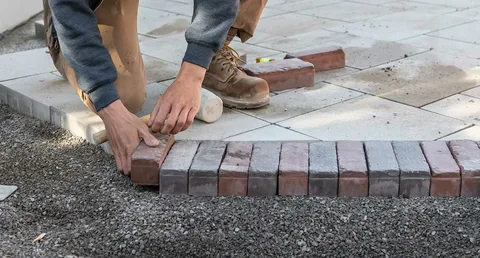
A well-designed sidewalk does more than connect different parts of your property. It creates a welcoming approach to your home, improves access to outdoor areas, and brings structure to your landscaping. Choosing suitable paving materials and ensuring proper installation can help create a walkway that is attractive, functional, and durable. R Souza Pavers provides outdoor paving solutions, including sidewalks, patios, driveways, pool decks, and outdoor kitchens, helping property owners improve their exterior spaces.
Whether you want a path from your driveway to the front entrance or a walkway through your garden, thoughtful planning makes a difference. The right design should complement your home, provide a practical walking surface, and account for drainage and ground conditions.
Why Choose Pavers for Your Sidewalk?
Paver sidewalks offer flexibility in appearance and layout. Available in different colors, textures, shapes, and patterns, they can complement a wide range of home styles and landscape designs.
Here are several advantages to consider when planning a new walkway:
- Design flexibility: Select patterns and colors that coordinate with your home, driveway, patio, and garden.
- Practical repairs: Individual pavers can often be lifted and replaced if they become damaged or uneven.
- Defined outdoor pathways: A dedicated sidewalk helps guide visitors between entrances, parking areas, and outdoor spaces.
- Coordinated landscaping: Pavers can create a consistent appearance across different hardscape features.
- Everyday usability: A properly installed walkway provides a stable route for regular foot traffic.
The best solution depends on your property’s layout, expected use, budget, and the condition of the ground beneath the proposed sidewalk.
Planning a Sidewalk That Fits Your Property
Before installation begins, think about where people need to walk and how the new sidewalk will connect with existing outdoor features. A well-planned path should feel natural to use rather than forcing people to take unnecessary detours.
Choose the Right Walkway Layout
Start by identifying the sidewalk’s purpose. A front entrance walkway may need a direct route from the driveway or street, while a garden path might curve around planting beds or connect a patio with another part of the yard.
Measure the available area and consider how many people may use the path at once. The width should provide comfortable movement without taking up more yard space than necessary.
Also consider transitions between the sidewalk and steps, driveways, entrances, or other paved surfaces. Smooth transitions can improve convenience and reduce awkward changes in elevation.
Select Suitable Paver Colors and Patterns
The appearance of a sidewalk can influence the overall impression of your property. Neutral tones often work well with a variety of exterior finishes, while contrasting borders can help define the walkway’s edges.
Common laying patterns include running bond, basket weave, and herringbone. Each creates a different visual effect, so consider the home’s architectural style and the proportions of the path before choosing a pattern.
You can also coordinate sidewalk pavers with an existing driveway or patio. Matching or complementary materials create a more unified exterior design without requiring every paved surface to look identical.
Consider Safety and Accessibility
A sidewalk should be comfortable to walk on in different weather conditions. Choose a suitable surface texture, minimize abrupt changes in height, and avoid layouts that create unnecessary obstacles.
If household members or visitors have mobility needs, discuss the desired walking width, slope, transitions, and other accessibility considerations with your contractor. Applicable requirements depend on the property and the type of project.
Why Proper Base Preparation Matters
Even high-quality pavers can shift if they are installed over an unstable foundation. Ground preparation is therefore one of the most important stages of sidewalk construction.
Excavation and Base Installation
The installer typically removes unsuitable soil and prepares the area to the depth required for the selected paving system and site conditions. A suitable base material is then placed and compacted to create a stable foundation.
The correct depth and preparation method depend on soil conditions, expected foot traffic, drainage, and the paver specifications. Skipping these steps can contribute to sinking, uneven surfaces, and movement over time.
Drainage and Water Management
Florida properties can experience heavy rainfall, making drainage an important consideration for exterior paving. The sidewalk should be designed to direct water appropriately rather than allowing it to collect near the house or create persistent puddles.
The installer should evaluate the surrounding ground, existing drainage patterns, and connections to adjacent paved surfaces before determining the finished slope.
Edge Restraints and Joint Sand
Edge restraints help prevent the outer pavers from spreading, while joint material helps fill the gaps between individual units. Both contribute to the stability of the finished walkway.
Correct installation and suitable materials can help maintain alignment and reduce unwanted movement. The exact approach should match the selected pavers and the conditions at the property.
Professional Sidewalk Paver Installation Services
A successful walkway project involves more than arranging pavers in an attractive pattern. Measuring, excavation, base preparation, drainage, edge restraints, and finishing all affect the finished result.
With professional sidewalk paver installation, homeowners can plan a walkway that suits their property’s layout and everyday needs. Before work begins, discuss material options, the proposed route, site preparation, expected costs, and the anticipated project schedule.
Request a clear estimate that explains the planned work and identifies any additional requirements that could affect the final cost. If the sidewalk connects to an existing driveway, patio, or entrance, ask how the contractor will manage the transitions and protect surrounding landscaping.
Planning these details early can help prevent avoidable changes and create a more consistent finished appearance.
Sidewalk Paver Ideas for Fernandina Beach, FL
In Fernandina Beach, a well-designed sidewalk can complement coastal-inspired landscaping while making it easier to move around your property. A simple front path can improve the entrance, while a garden walkway can connect outdoor seating areas, planting beds, and other landscape features.
When selecting materials, consider exposure to sunlight, rainfall, moisture, and everyday foot traffic. The surface should suit the intended use, and the base should be prepared for the property’s soil and drainage conditions.
Homeowners exploring sidewalk paving options in Fernandina Beach can consider coordinating the walkway with an existing driveway or patio. A complementary border or consistent paver color can tie these elements together without making the design feel repetitive.
Thoughtful placement is equally important. A sidewalk that follows the natural route between frequently used areas can improve convenience and help protect lawns and landscaping from repeated foot traffic.
Improve Outdoor Access in Ponte Vedra, FL
In Ponte Vedra, a new paver sidewalk can help connect a home’s entrance with the driveway, garden, patio, or outdoor entertaining area. The design should reflect how residents use their property while complementing the home’s exterior.
Consider whether a straight walkway would provide the most practical route or whether a curved path would better suit the landscaping. If the sidewalk connects to other paved areas, choose compatible materials and plan the transitions carefully.
Drainage should remain a priority, particularly where rainwater collects or the ground has uneven elevations. Correct preparation can help reduce the risk of standing water and movement in the finished surface.
A well-planned walkway can make the outdoor environment feel more organized while creating a clear, attractive route for residents and visitors. Select materials based on durability, appearance, maintenance needs, and the specific conditions at your property.
Maintaining Your Paver Sidewalk
Regular maintenance helps keep a paved walkway clean and usable. Although pavers are designed for outdoor applications, dirt, weeds, moisture, and ground movement can affect their appearance over time.
Use these basic maintenance practices:
- Sweep away leaves, soil, and loose debris regularly.
- Clean stains using a method suitable for the paver material.
- Check the joints for missing sand or unwanted weed growth.
- Inspect the surface for loose, sunken, or uneven pavers.
- Keep nearby vegetation from obstructing the walking surface.
- Address drainage problems and recurring puddles promptly.
If a section becomes uneven, identify the cause before simply resetting the pavers. The base may need adjustment, or water may be affecting the surrounding ground. Correcting the underlying issue can help prevent the same problem from returning.
Sealing may be suitable for some paver products, depending on the desired finish and manufacturer’s recommendations. Ask a qualified professional whether sealing is appropriate for your specific sidewalk.
Conclusion
A properly installed sidewalk paver installation in Ponte Vedra can improve your property’s appearance, create convenient outdoor access, and complement existing landscaping. From choosing the right materials and layout to preparing a stable base and managing drainage, every stage contributes to a durable and functional walkway.
Whether you are planning a new sidewalk in Fernandina Beach or improving outdoor access in Ponte Vedra, start with a clear design and an understanding of your property’s conditions. Discuss the installation process, materials, and maintenance requirements with your paving contractor to create a sidewalk that suits your home and everyday needs.
Frequently Asked Questions
How much does sidewalk paver installation cost?
The price depends on the walkway’s length and width, paver selection, excavation requirements, site access, and drainage needs. A property-specific estimate will provide a more accurate cost.
Are pavers a good choice for sidewalks?
Pavers can be an excellent option because they offer design flexibility and allow individual units to be replaced when necessary. Proper base preparation and installation are important for long-term performance.
How long does it take to install a paver sidewalk?
The schedule depends on the size of the walkway, ground conditions, weather, and amount of preparation required. Your contractor can provide a project-specific timeline after inspecting the site.
Can a paver sidewalk connect to my existing driveway?
Yes. A sidewalk can be designed to connect with a driveway, patio, or entrance. Careful planning helps create appropriate transitions and a coordinated appearance.
How do I prevent pavers from becoming uneven?
Proper excavation, a stable compacted base, suitable edge restraints, and effective drainage help reduce movement. If unevenness develops, investigate the underlying cause before making repairs.