
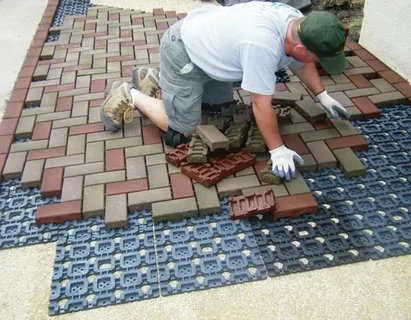
Learn how patio paver installation in Fernandina Beach, FL depends on base preparation, drainage, layout, materials, edge restraint, and long-term care.
A patio should feel stable underfoot, drain properly, and fit naturally with the surrounding landscape. Good results depend on what happens below the finished surface as much as the pavers themselves. R Souza Pavers approaches patio paver installation in Fernandina Beach, FL by considering site conditions, drainage, base preparation, layout, material choice, and how homeowners plan to use the outdoor space.
In St. Johns, FL, homeowners searching for paver patios near me may be comparing materials, patterns, patio sizes, and maintenance needs before starting a project.
Careful planning helps create a patio that looks finished while supporting regular outdoor use.
What Patio Paver Installation Should Address First
Professional patio paver installation should begin with the condition of the installation area.
The site needs enough space for excavation, base materials, pavers, and proper finished elevation. Existing soil conditions can also affect how much preparation is needed.
Drainage deserves attention early.
A patio should guide water away from the home and other areas where runoff could cause problems.
The finished surface also needs to connect properly with doors, walkways, lawns, pools, or other nearby features.
These decisions should happen before paver colors or patterns become the main focus.
Patio Paver Installation Depends on the Base
patio paver installation in Fernandina Beach, FL needs a stable foundation because individual pavers rely on the layers beneath them for support.
The area is typically excavated before suitable base material is placed and compacted.
A weak or uneven base can allow sections of the patio to settle.
That may create low spots, uneven joints, or movement between pavers.
Compaction should happen carefully and consistently across the entire area.
The depth and preparation method can vary depending on soil conditions, expected use, and the selected paver system.
Paver Patios Near Me in St. Johns, FL
Homeowners researching paver patios near me in St. Johns, FL should consider how the patio will fit everyday outdoor activities.
A small sitting area needs different planning than a larger entertainment space with dining furniture, a grill, or an outdoor kitchen.
Furniture dimensions matter because chairs need room to move without reaching the edge of the patio.
Walking paths should also remain clear.
If the patio connects with a door, pool area, or existing walkway, the layout should make those transitions feel natural.
Planning around use often creates a better result than simply filling the largest available area.
Drainage Can Shape the Entire Patio
Water should not remain trapped on or around a finished patio.
A slight slope can help move rainfall away from the house and toward an appropriate drainage area.
The surrounding yard also affects this process.
If nearby soil slopes toward the patio, runoff may enter the space during heavy rain.
Downspouts can create another concern when they empty directly onto the patio or close to its edge.
Homeowners should watch how water moves through the property before work begins.
Correcting drainage during preparation is usually easier than addressing standing water after the patio is finished.
A Durable Patio Paver Starts With Material Choice
Choosing a paver patios near me in St. Johns, FL involves more than selecting a color.
Homeowners should consider how the material handles foot traffic, weather exposure, furniture, stains, and regular cleaning.
Pavers come in different sizes, textures, finishes, and thicknesses.
Some create a traditional appearance, while others work better with modern outdoor designs.
Surface texture also matters around wet areas.
A very smooth finish may look appealing but can become less practical where rain, irrigation, or pool water reaches the surface.
The best material should match both the design and the way the patio will be used.
Edge Restraints Help Keep Pavers Stable
Pavers near the outside edge need support.
Without proper restraint, the border can begin moving outward as people walk across the patio and the ground shifts over time.
Edge restraints help keep the paver field contained.
Their design depends on the patio shape and surrounding surfaces.
Edges next to lawn areas may need a different approach than edges beside concrete, walls, or planting beds.
Border pavers can also become part of the visual design.
However, their structural role remains important even when they are used as a decorative feature.
Joint Material Supports the Finished Surface
The spaces between pavers are an important part of the system.
Joint material helps stabilize individual units and limit unnecessary movement.
The joints should be filled properly after the pavers are placed.
Over time, some areas may need attention if joint material washes out or settles.
Homeowners should avoid using cleaning methods that remove joint material aggressively.
Maintaining the joints can help keep the patio surface more consistent.
It can also reduce the amount of debris that collects between individual pavers.
Patio Layout Should Match the Home
Paver patterns can influence how large or structured a patio feels.
Simple running patterns may create a clean appearance.
More detailed patterns can add visual interest to larger outdoor spaces.
The home’s architecture should also influence the design.
A patio does not need to copy every exterior material, but the colors and shapes should feel connected to the property.
Border details can help define the patio without making the surface too busy.
Homeowners should view larger samples when possible.
A small paver sample can look different once it covers hundreds of square feet.
Common Paver Patio Mistakes
One common mistake is focusing on paver appearance while giving too little attention to base preparation.
Another is building the patio without planning drainage.
Homeowners may also choose a patio size before measuring furniture and walking space.
Poorly planned edges can allow pavers to move outward over time.
Another mistake is creating a finished height that conflicts with door thresholds or nearby landscaping.
Material selection can also cause problems when appearance is prioritized over surface texture and maintenance.
A successful patio depends on how all these details work together.
Practical Steps Before Installation Begins
Start by deciding how the patio will be used.
Measure outdoor furniture, grills, planters, and other features that will occupy the space.
Watch drainage during rainfall and note any areas where water collects.
Identify nearby doors, utilities, walkways, trees, and landscaping.
Choose pavers after considering both appearance and maintenance.
Homeowners should also decide whether the patio may later connect with features such as a fire pit, walkway, seating wall, or outdoor kitchen.
Planning possible additions early can make future improvements easier to integrate.
Best Practices for Patio Maintenance
Paver patios generally benefit from regular but simple care.
Remove leaves, dirt, and other debris before they build up in joints.
Address stains according to the paver manufacturer’s recommendations.
Check for areas where joint material has become low.
Homeowners should also watch for isolated settlement or movement around edges.
Small changes are often easier to correct before they affect a larger section.
Drainage should continue to be monitored as landscaping changes.
Growing roots, soil settlement, or new yard features can influence how water moves around the patio over time.
When Individual Pavers Need Attention
One benefit of a paver surface is that individual units can sometimes be addressed without rebuilding the entire patio.
A stained, cracked, or settled paver may be removable depending on the installation.
However, the cause of the problem should be identified first.
If several pavers settle in the same area, the issue may involve the base rather than the pavers themselves.
Replacing the visible units without correcting the supporting layer may allow the problem to return.
Repairs should focus on both the surface and the reason the damage developed.
Conclusion
Planning a durable patio paver requires attention to excavation, base preparation, drainage, material selection, edge restraint, joint stability, and the way the finished space will be used.
For homeowners in Fernandina Beach and St. Johns, R Souza Pavers can approach patio planning by reviewing the site and intended use before finalizing materials or patterns. A stable foundation and practical layout can help create an outdoor surface that remains useful and visually consistent over time.
FAQ
What should be planned before installing a paver patio?
Consider patio size, furniture placement, drainage, soil conditions, finished elevation, paver material, surrounding landscaping, and connections to existing walkways or doors.
Why is the base important under patio pavers?
The base supports the pavers and helps reduce uneven settlement. Proper preparation and compaction can improve the stability of the finished surface.
How should a paver patio handle rainwater?
The patio should have suitable slope and surrounding drainage so water moves away from the home rather than collecting on the surface.
What makes a patio paver durable?
Durability depends on the paver material, thickness, installation quality, base preparation, joint stability, intended use, and ongoing maintenance.
Can individual patio pavers be replaced?
Often, yes. However, repeated movement or settlement may indicate a base or drainage problem that should also be corrected.