
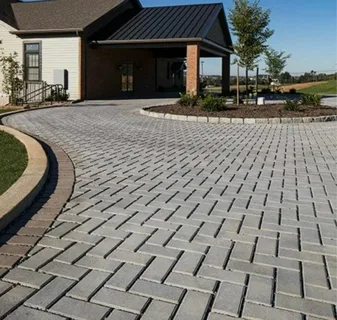
Your driveway does more than provide parking space. It creates the first impression of your property and supports daily traffic from vehicles, guests, and deliveries. Over time, cracks, uneven surfaces, and drainage problems can affect both appearance and usability. A carefully planned paver driveway offers a practical way to address these concerns while complementing your home’s exterior.
For homeowners considering professional driveway paver installation in St. Johns, FL, material selection and proper preparation matter as much as the final design. Pavers come in different colors, shapes, textures, and patterns. Therefore, you can choose an option that matches your home’s architecture and your preferred maintenance routine.
Rsouza Pavers is a company homeowners can research when exploring driveway paving options. Before selecting any contractor, review the proposed installation process, project references, written estimate, and warranty terms.
Florida’s climate also deserves attention during planning. Heavy rain, humidity, and occasional intense storms make proper drainage and a stable base essential. Moreover, the right installation approach can help reduce shifting and uneven surfaces over time.
With clear planning and suitable materials, a new driveway can improve access, strengthen curb appeal, and support everyday use. Understanding the process helps you compare options and make informed decisions about your property.
Why Paver Driveways Suit St. Johns Homes
A paver driveway can combine visual appeal with practical performance. Unlike a continuous concrete slab, a paver surface consists of individual units joined together across a prepared base. This structure allows sections to be repaired or replaced without removing the entire driveway.
In St. Johns, homeowners should consider both appearance and weather conditions. Rainwater needs a suitable path away from the house and driveway edges. Additionally, the ground beneath the pavers must support vehicle loads without excessive movement.
Benefits of Installing a Paver Driveway
Well-planned custom paver driveways offer flexibility in design and maintenance. Homeowners can select colors and patterns that complement exterior walls, landscaping, and walkways.
Consider these five benefits when comparing driveway materials:
- Design flexibility: Choose from different paver sizes, shapes, colors, and patterns.
- Localized repairs: Replace individual damaged pavers instead of resurfacing the entire driveway.
- Defined appearance: Create borders and contrasting patterns for a distinctive entrance.
- Routine maintenance: Clean the surface and address minor issues as they appear.
- Potential durability: Proper materials and installation can support regular vehicle traffic for many years.
However, pavers are not maintenance-free. Weeds may appear in joints, and poor base preparation can cause settling. Consequently, installation quality plays a major role in long-term performance.
Homeowners should also consider driveway slope, vehicle weight, and available drainage routes. A professional assessment can help identify site conditions before construction begins. This preparation supports a driveway that looks attractive and performs reliably.
Planning Professional Driveway Paver Installation
Successful expert driveway paver installation services begin well before the first paver reaches the ground. The contractor should assess the property, measure the driveway, review soil conditions, and identify drainage concerns. These steps help determine the required materials and preparation work.
A clear plan also reduces confusion about the finished design. Homeowners should discuss driveway width, vehicle access, borders, transitions, and connections to sidewalks or garage entrances.
Important Steps Before Installation
The installation method depends on the site, selected pavers, and expected traffic. However, a typical project includes excavation, base preparation, edge restraints, bedding material, paver placement, joint filling, and compaction.
Use these five planning points to prepare for your project:
- Measure the area: Confirm driveway dimensions and the space needed for vehicle movement.
- Check the soil: Identify soft areas that may need additional preparation.
- Plan drainage: Ensure water flows away from the home and does not collect in low spots.
- Choose suitable pavers: Select products rated for the intended vehicle loads.
- Confirm site requirements: Check applicable permits, access rules, and local requirements.
Furthermore, ask the contractor to explain the base material and its planned thickness. These details should reflect the ground conditions and expected loads rather than a one-size-fits-all specification.
Discuss how the team will manage excavation, debris removal, and access during construction. A written scope should identify included work, material choices, estimated completion time, and any exclusions.
Careful preparation helps homeowners understand what they are paying for. It also gives the contractor a clear reference throughout the project.
Choosing Paver Styles and Materials
The right paver design should suit the house and the way the driveway will be used. Some homeowners prefer a simple rectangular layout, while others choose contrasting borders or geometric patterns. Therefore, compare samples against the exterior of your home before making a final selection.
Material choice affects appearance, maintenance, and cost. Concrete pavers offer a wide range of shapes and colors. Clay brick pavers provide a traditional look, while natural stone can create a distinctive finish at a different price point.
Design Ideas for Custom Paver Driveways
Thoughtfully designed custom paver driveways can help connect the driveway with nearby walkways, garden beds, and outdoor living spaces. However, decorative details should not compromise vehicle access or drainage.
Consider these five design choices:
- Color coordination: Match the pavers to your roof, siding, or exterior trim.
- Pattern selection: Compare running bond, herringbone, and basket-weave layouts.
- Border details: Use contrasting pavers to define the driveway’s edges.
- Surface texture: Select a finish suitable for vehicle use and local weather.
- Landscape integration: Coordinate the driveway with planting beds and entry paths.
Herringbone patterns may help resist movement under vehicle traffic when installed correctly. Still, the paver type, edge restraints, base, and workmanship all affect the finished result.
Before ordering materials, ask to see samples or completed projects with similar colors and layouts. This makes it easier to judge how the finished driveway may complement your property.
Understanding Driveway Paver Costs
The cost of a paver driveway depends on more than the number of pavers required. Excavation, base materials, labor, access restrictions, drainage work, and disposal can influence the final estimate. In addition, decorative patterns and premium materials may increase installation time and cost.
Therefore, compare detailed proposals rather than choosing a contractor based on the lowest initial price. A complete estimate should explain the work required to create a stable, properly drained surface.
Five Ways to Plan Your Driveway Budget
A cost-effective new paver driveway starts with realistic priorities. Homeowners can balance design preferences with long-term maintenance and installation requirements.
Use these five budgeting practices:
- Set a clear budget: Decide how much you can spend before selecting materials.
- Compare written quotes: Confirm that each contractor includes similar work and materials.
- Allow for site preparation: Ask whether excavation, disposal, and base installation are included.
- Review drainage costs: Identify any grading or drainage improvements needed.
- Check warranty terms: Understand coverage for workmanship, materials, and settlement.
Moreover, ask how the contractor handles unexpected soil conditions. Hidden problems may require additional excavation or base material. Written procedures for approving extra work can help prevent disputes.
Avoid cutting costs by skipping essential preparation. A poorly prepared base may lead to uneven pavers, standing water, and expensive repairs. Instead, prioritize correct installation and select decorative features that fit your remaining budget.
Before signing, confirm payment milestones, project exclusions, estimated timing, and cleanup responsibilities. A detailed agreement makes it easier to compare offers fairly and understand the total commitment.
Maintaining Your New Paver Driveway
Paver driveways need regular care to preserve their appearance and function. Dirt, leaves, oil stains, and organic growth can collect on the surface. Meanwhile, heavy rain may reveal drainage issues or areas where the ground has settled.
A simple maintenance routine helps homeowners spot small problems early. However, use cleaning methods that suit the selected paver material and jointing system.
Practical Care for Long-Term Performance
After installing a new paver driveway, ask your contractor for product-specific care instructions. Different pavers and joint materials may require different cleaning products and maintenance methods.
Follow these five practices:
- Sweep regularly: Remove leaves, dirt, and loose debris.
- Clean spills promptly: Use a suitable cleaner for oil and other stains.
- Inspect the joints: Address missing joint material and unwanted weed growth.
- Watch for movement: Check for settling, loose pavers, or standing water.
- Protect the surface: Use compatible cleaning tools and avoid harsh chemicals unless approved.
Additionally, avoid directing concentrated water toward the driveway base or nearby foundations. Proper drainage helps reduce erosion and protects the surrounding landscape.
If pavers become uneven, identify the cause before replacing them. The problem may involve the bedding layer, base, edge restraints, or water movement. Simply adding joint sand will not correct every underlying issue.
Professional maintenance may help with persistent settlement or drainage concerns. Keep records of installation details and product information so future repairs can match the original materials.
Conclusion
A paver driveway can improve the appearance and usability of your property while offering flexibility in color, pattern, and repair options. However, the quality of the finished surface depends on careful planning, suitable materials, a stable base, and effective drainage.
For homeowners considering reliable driveway paver installation in St. Johns, FL, start by assessing your property’s needs. Consider vehicle traffic, driveway dimensions, soil conditions, water flow, and the overall look you want to achieve. These factors will help guide material selection and installation planning.
Next, compare written estimates and ask contractors to explain their preparation methods. Review relevant project examples, confirm applicable credentials, and understand warranty coverage before signing an agreement. Furthermore, make sure the estimate identifies excavation, base materials, paver placement, joint filling, and cleanup.
Rsouza Pavers is one company you can research when comparing local paving options. Review its proposed scope, ask questions about the installation process, and confirm the details that matter to your project.
Remember that a lower initial price does not always represent better value. Cutting corners on drainage or base preparation can create problems that cost more to correct later. Therefore, prioritize proper workmanship and materials suited to your driveway’s expected use.
With realistic budgeting and regular maintenance, homeowners can create an attractive entrance that supports daily vehicle traffic. Take time to compare your options and select a design that complements your home while meeting practical needs.
FAQs
How long does driveway paver installation take?
The timeline depends on driveway size, site preparation, weather, drainage work, and design complexity. Ask your contractor for a project-specific schedule.
Are paver driveways suitable for Florida weather?
Yes, properly selected and installed pavers can perform well in Florida. Good drainage and a stable base are especially important during heavy rain.
What affects the cost of a paver driveway in St. Johns, FL?
Material choice, driveway size, excavation, base preparation, labor, drainage, and design details all influence the final cost.
Can damaged driveway pavers be replaced individually?
Often, yes. Individual pavers can usually be removed and replaced, although the underlying cause of damage should also be addressed.
How often should I maintain my paver driveway?
Sweep and inspect it regularly, clean stains as needed, and check joints and drainage periodically. Follow the manufacturer’s maintenance recommendations for your specific materials.