
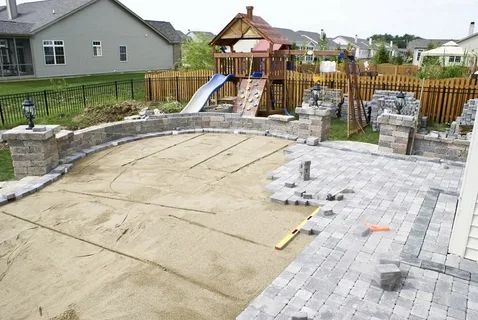
A well-designed patio creates a comfortable place to relax, entertain guests, and enjoy outdoor living. It can help homeowners build an attractive outdoor surface that suits their property and daily needs. In Ponte Vedra Beach, Florida, homeowners should consider the local climate, drainage, and material durability before choosing pavers. Heavy rain, humidity, and strong sunlight can affect outdoor surfaces over time. Therefore, selecting suitable materials and preparing the ground correctly are essential steps.
Rsouza Pavers is a company homeowners can explore when researching options for outdoor paving projects. Before beginning any installation, consider how you plan to use the patio, how much space you have, and which design fits your home. A dining area may require a different layout from a quiet seating space or a backyard entertainment area.
Moreover, good planning can help prevent common problems such as uneven surfaces, standing water, and shifting pavers. Homeowners in Ponte Vedra Beach and nearby Ponte Vedra can benefit from comparing materials, understanding installation steps, and planning maintenance before committing to a project.
Why Patio Pavers Are a Practical Outdoor Choice
Patio pavers offer flexibility in design and can suit many types of residential outdoor spaces. Unlike a single continuous concrete slab, a paver surface consists of individual units arranged over a prepared base. This structure allows different patterns, colors, and shapes to create a distinctive appearance.
Benefits of a Paver Patio
A carefully planned patio can make a backyard more useful throughout the year. For example, homeowners can create a space for outdoor dining, gardening, relaxing, or gathering with family. The right layout can also help connect a home’s interior with its garden or yard.
Individual pavers can often be replaced if one becomes cracked or stained. However, the replacement piece should match the existing material as closely as possible. Matching can be more difficult if the original pavers have weathered or are no longer available.
Common advantages include:
- Design flexibility: Choose from different shapes, colors, textures, and patterns.
- Targeted repairs: Replace individual damaged units instead of an entire surface.
- Outdoor functionality: Create defined areas for dining, seating, and recreation.
- Surface variety: Select finishes that complement the home’s exterior.
- Long-term maintenance: Clean and inspect the surface regularly to address small issues early.
However, these benefits depend on proper installation and ongoing care. A poorly prepared base can lead to movement, even when homeowners choose high-quality materials.
Choosing the Right Patio Paver Installation Materials
The materials you choose affect your patio’s appearance, maintenance needs, and ability to handle outdoor conditions. Before selecting a product, consider how much foot traffic the space will receive and how much time you want to spend maintaining it.
Reliable Patio Paver Installation Options
Professional patio paver installation services come in many shapes, colors, and textures. They can suit modern, traditional, or coastal-inspired homes. In contrast, natural stone offers variations in color and texture that create a distinctive finish. The best option depends on your budget, design preferences, and intended use.
When comparing materials, consider these practical points:
- Concrete pavers: Often provide a wide selection of styles and patterns.
- Natural stone: Offers individual variations, although costs and maintenance differ by stone type.
- Surface texture: Textured finishes may provide better traction in wet conditions.
- Color selection: Lighter colors can reflect more sunlight, depending on the material.
- Product specifications: Check whether the pavers are suitable for the intended outdoor application.
For additional background, read about paving stones and how they are used in outdoor surfaces.
Furthermore, ask suppliers about product specifications, cleaning recommendations, and expected maintenance. A sample viewed outdoors can help you understand how its color looks in natural light. Avoid choosing materials based on appearance alone; suitability and installation requirements matter just as much.
Designing Patios for Ponte Vedra Beach Homes
A successful patio design should fit the property, support everyday activities, and work with the surrounding landscape. In coastal Florida, homeowners should also consider rain, humidity, sunlight, and the way water moves across the yard.
Creating a Comfortable Outdoor Layout
Start by deciding how you will use the space. A small seating area may need only a simple rectangular layout, while a larger backyard could accommodate separate dining and lounging zones. Moreover, the patio should leave enough room for doors, walkways, garden beds, and outdoor furniture.
Use these planning tips to guide your design:
- Measure the space: Record the available area before choosing a pattern.
- Plan furniture placement: Allow room to move comfortably around tables and chairs.
- Coordinate colors: Choose pavers that complement siding, trim, and landscaping.
- Consider sunlight: Identify areas that may need shade during hot afternoons.
- Maintain access: Keep paths to entrances, gates, and outdoor features clear.
Drainage deserves special attention. Rainwater should move away from the home and should not collect in low areas. Therefore, the finished patio needs an appropriate slope and a base suited to the site.
Homeowners looking for paver patios near me should compare designs based on their property’s actual conditions rather than copying another yard without considering differences in grade, soil, and drainage.
Preparing the Site and Installing Patio Pavers
The quality of a patio depends on more than the pavers visible on the surface. Ground preparation, base depth, edge restraints, and drainage all influence how well the finished area performs over time.
Key Steps Before Installation
A typical installation begins with measuring the area and marking the planned boundaries. The installer then removes unsuitable soil or existing surface materials to create space for the base and pavers. The required excavation depth depends on the site, paver type, and intended use.
Important installation considerations include:
- Excavation: Remove unstable material and establish the required depth.
- Base preparation: Install and compact suitable base material in appropriate layers.
- Drainage and slope: Direct water away from structures and prevent persistent pooling.
- Paver placement: Maintain consistent spacing and follow the chosen pattern.
- Edge restraints and joint filling: Secure the perimeter and fill joints with suitable material.
Meanwhile, homeowners should ask how the installer will protect nearby landscaping and manage excavated soil. They should also confirm how the finished surface will meet existing walkways, thresholds, and other hardscape features.
Proper compaction matters because a weak base can settle unevenly. In addition, rushing installation during unsuitable weather can affect site preparation and finishing. Clear planning helps reduce avoidable problems and supports a more stable surface.
Maintaining Patios in Florida’s Climate
Regular maintenance helps preserve a patio’s appearance and makes it easier to spot developing problems. In Ponte Vedra Beach and Ponte Vedra, rain, humidity, organic debris, and sunlight can affect outdoor paving in different ways.
Simple Patio Maintenance Practices
Begin with routine sweeping to remove leaves, dirt, and other debris. Clean spills promptly, using a cleaning product suitable for the paver material. Before applying a chemical cleaner or pressure washer, check the manufacturer’s guidance to avoid damaging the surface or joint material.
Homeowners can follow these practical maintenance steps:
- Sweep regularly: Prevent leaves and dirt from building up.
- Clean carefully: Use material-appropriate cleaners and follow product instructions.
- Inspect after heavy rain: Look for standing water, erosion, or areas that have shifted.
- Check the joints: Refill missing joint material when appropriate.
- Address movement early: Investigate rocking or uneven pavers before the problem spreads.
Sealing may help protect some paver materials, but it is not necessary for every product. The correct sealer depends on the material, desired finish, and exposure conditions. Therefore, ask the manufacturer or installer whether sealing is recommended and how often it may need renewal.
Homeowners should also keep drainage outlets clear and trim plants that trap moisture or send roots into paved areas. Small, regular checks can help identify issues before they require more extensive repairs.
Comparing Patio Paver Installation Estimates
Before hiring an installer, compare the full scope of work rather than choosing solely by the lowest price. Two estimates may differ because they include different materials, excavation depths, base preparation, drainage work, or finishing details.
What to Ask Before Starting a Project
A clear estimate should describe the planned work and identify important materials. It should also explain what happens if the crew finds unsuitable soil, hidden obstacles, or drainage concerns during excavation.
When reviewing patio paver installation in Ponte Vedra Beach, FL, ask prospective providers these questions:
- What excavation and base preparation does the estimate include?
- Which paver product, size, color, and pattern will the project use?
- How will the installation handle water runoff?
- Are edge restraints, joint materials, cleanup, and waste removal included?
- What maintenance guidance and workmanship terms will be provided?
Homeowners comparing paver patios near me should also ask for relevant examples of previous work and confirm that the proposed materials suit their project. Review the written estimate carefully, including exclusions, payment terms, and any applicable warranties.
Rsouza Pavers can be contacted through its official website to learn more about the company and discuss project requirements. Before making a decision, confirm the proposed scope, materials, schedule, and total cost in writing.
Conclusion
A well-planned patio can provide a useful outdoor area for relaxing, dining, and spending time with family. However, a successful project requires more than selecting an attractive paver color. Homeowners should consider the layout, material specifications, site conditions, drainage, and maintenance requirements before beginning construction.
In Ponte Vedra Beach and Ponte Vedra, Florida, rain and humidity make water management especially important. A properly prepared base and suitable slope help reduce the risk of standing water and uneven surfaces. Likewise, choosing materials designed for outdoor use can support durability and simplify routine care.
Before hiring an installer, compare written estimates and ask how the project will address excavation, base compaction, edge restraints, and joint filling. These details help you understand what the proposed price includes. Furthermore, review product care instructions so you know how to clean and maintain the finished patio.
A practical approach to affordable paver patios near Ponte Vedra, FL starts with a clear purpose and a realistic budget. Think about how many people will use the space, which furniture it must accommodate, and how it will connect with the rest of your yard. Then select a design that fits your property rather than following trends that may not suit your needs.
With thoughtful planning, suitable materials, and regular maintenance, a paver patio can remain an attractive and functional part of your home for years. Take time to evaluate your options and make decisions based on the specific conditions of your property.
FAQs
How long does patio paver installation usually take?
The timeline depends on patio size, site preparation, weather, material availability, and design complexity. Ask the installer for a project-specific schedule.
Which paver materials work well for Florida patios?
Concrete pavers and suitable natural stones are common options. Compare slip resistance, durability, maintenance, and manufacturer recommendations before choosing.
Do patio pavers need a drainage system?
Not every patio requires a separate drainage system. However, every installation should manage runoff properly and prevent water from collecting near the home.
Can individual patio pavers be replaced if they crack?
Often, yes. An installer can remove and replace a damaged paver, although matching its color and texture may be difficult over time.
How can I maintain my paver patio?
Sweep regularly, clean spills with suitable products, inspect joints, and check for shifting or standing water. Follow the material manufacturer’s care instructi