
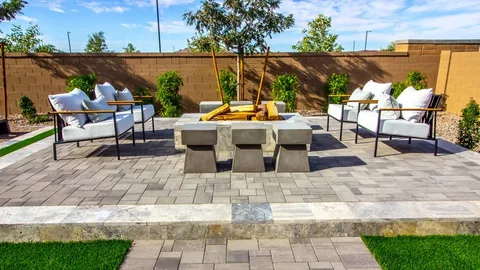
Learn how patio paver installation supports drainage, stability, and outdoor comfort while helping Ponte Vedra homeowners plan a lasting patio space.
A patio can become one of the most useful areas of a Florida home, but its performance depends on what happens beneath the finished surface. R Souza Pavers works with homeowners considering patio paver installation in Ponte Vedra, FL, where drainage, soil conditions, rainfall, heat, and outdoor use all influence the project. A well-planned patio should provide a stable surface while fitting naturally into the surrounding property.
In St. Johns, FL, homeowners searching for paver patios near me may be comparing materials, patterns, installation methods, and maintenance requirements. The right choice depends on the property’s grade, intended use, existing landscaping, and the amount of space available.
Pavers offer flexibility because individual units can create different layouts, borders, colors, and patterns. However, the finished appearance is only one part of the project. Base preparation, drainage, edge restraint, joint material, and surface grading all contribute to long-term performance.
Planning the Patio Around the Property
A patio should work with the home and yard rather than occupy space without a clear purpose. Before selecting a pattern, homeowners should consider how people will enter the patio, where furniture will sit, and how the space connects with existing walkways.
The home’s doors and windows also influence the layout. A patio positioned outside a frequently used door may need a wider transition area, while a separate entertaining area may require more open space for furniture.
Site conditions deserve equal attention. Slopes, low areas, existing trees, fences, retaining walls, and drainage paths can all affect the final design.
A useful plan should account for:
- Patio dimensions and shape
- Existing grade and slope
- Water runoff
- Door and walkway locations
- Furniture placement
- Landscaping
- Outdoor cooking or seating areas
- Future changes to the yard
Planning these elements together creates a more functional outdoor space.
Understanding the Base Beneath the Pavers
The visible patio paver installation in Ponte Vedra, FL receives most of the attention, but the base plays a major role in stability.
The underlying soil must provide a suitable foundation. Depending on site conditions, preparation may involve excavation, grading, compaction, and installation of appropriate base material.
Poor preparation can contribute to settlement or uneven areas over time. Water can also become trapped if the surface and base do not provide an effective path for drainage.
Florida’s rainfall makes this especially important. A patio should direct water away from the home while working with the property’s existing drainage pattern.
Choosing a Durable Patio Paver
A durable patio paver should suit both the environment and the way the patio will be used.
Some homeowners prioritize a clean, modern appearance, while others prefer natural textures and varied colors. Pavers are available in many sizes, shapes, textures, and finishes, allowing the design to complement the home’s exterior.
Color also deserves consideration. Darker surfaces can absorb more heat under direct Florida sunlight, while lighter tones may create a brighter visual effect.
The right selection should balance appearance, expected foot traffic, maintenance, surface characteristics, and the surrounding landscape.
Patio Paver Installation Depends on More Than the Pavers
A durable patio paver in St. Johns, FL involves several connected components. The pavers themselves form only the finished surface.
The base, bedding layer, joint material, edge restraint, grading, and drainage system all contribute to how the patio performs.
A strong installation plan considers these elements together. For example, even high-quality pavers can shift if the supporting base does not provide adequate stability. Likewise, proper base preparation cannot compensate for poor drainage around the finished patio.
The installation method should therefore reflect the property rather than follow a one-size-fits-all approach.
Comparing Common Patio Surface Options
Different outdoor surfaces offer different combinations of appearance, maintenance, and installation flexibility.
| Surface Type | Main Advantage | Main Consideration |
| Concrete | Broad design flexibility | Cracks can affect the continuous surface |
| Pavers | Individual units and design options | Requires proper base and joint maintenance |
| Natural Stone | Distinctive natural appearance | Material and installation costs vary |
| Gravel | Simple installation and drainage | Less stable for furniture and heavy traffic |
Pavers can be particularly useful when homeowners want a defined pattern and the ability to address individual units if localized damage or movement occurs.
Drainage and Grade Should Shape the Design
Water management should be considered before the patio footprint is finalized.
A patio can change how rainfall moves through the property. If the finished surface directs water toward the home, low areas, or another structure, it may create drainage problems.
Downspouts should also receive attention. Roof runoff should have an appropriate discharge path rather than flowing directly across the patio.
On properties with noticeable slopes, the design may require additional grading or drainage measures. The correct solution depends on existing site conditions.
Creating a Patio That Supports Daily Use
A patio should provide enough room for the activities it needs to support.
A dining table requires clearance for chairs and movement. Lounge furniture needs space around each piece. An outdoor grill should not interfere with the primary walking route.
Homeowners should measure furniture before finalizing the patio size.
The same principle applies to transitions between the patio, lawn, driveway, and walkways. A smooth connection can make the entire outdoor area easier to navigate.
Practical Planning Considerations
Before construction begins, homeowners can improve the planning process by reviewing several details:
- Measure the proposed patio area.
- Identify existing drainage paths.
- Consider furniture dimensions.
- Check where doors and walkways connect to the space.
- Decide which areas need shade or direct sunlight.
- Consider how landscaping may grow around the patio.
- Choose materials that fit the home’s exterior.
- Determine which maintenance tasks are acceptable long term.
These decisions can help prevent changes after construction begins.
Common Patio Paver Installation Mistakes
One frequent mistake involves choosing a patio size without accounting for furniture. The finished area can feel crowded even when the dimensions seemed generous during planning.
Another issue occurs when drainage receives too little attention. Water can expose problems that were not visible when the patio was first installed.
Selecting pavers only by color can also lead to disappointment. Surface texture, heat exposure, maintenance, and traffic should influence material selection.
Poor edge planning creates another concern. Without appropriate edge restraint, pavers may gradually move outward under repeated use or environmental pressure.
Finally, homeowners should avoid assuming that every property needs the same base preparation. Soil and site conditions vary, so preparation should reflect the actual location.
Best Practices for Long-Term Patio Performance
Regular cleaning helps prevent dirt, organic debris, and stains from building up on the surface. Homeowners should also keep drainage areas clear so water can move as intended.
Inspect the patio periodically for uneven areas, damaged pavers, or changes around the edges. Addressing small issues early can make maintenance easier.
Vegetation should also remain under control. Roots and aggressive growth can affect patio surfaces and surrounding areas over time.
Furniture should use suitable protective feet to reduce unnecessary surface wear, especially when pieces move frequently.
Conclusion
The paver patios near me requires more than arranging attractive pavers across a backyard. Site preparation, drainage, grading, material selection, edge restraint, and everyday use all influence the finished result.
For homeowners in Ponte Vedra and St. Johns, R Souza Pavers can approach patio projects around the property’s actual conditions and the way the outdoor space will be used. A carefully planned patio can provide a durable, comfortable surface while creating a natural connection between the home, yard, and outdoor living areas.
FAQ
How long can a paver patio last?
A properly designed and maintained paver patio can provide long-term service. Its performance depends on soil conditions, base preparation, drainage, material quality, installation, traffic, and ongoing maintenance.
Are pavers a good choice for Florida patios?
Pavers can work well for Florida outdoor spaces when the design accounts for local drainage, soil, rainfall, heat, and site conditions. Proper base preparation remains important.
Why is drainage important for patio paver installation?
Drainage helps prevent water from collecting around the patio or moving toward the home’s foundation. Proper grading and an appropriate drainage plan help manage rainfall across the property.
Can individual damaged pavers be replaced?
One advantage of paver systems is that individual units can often be removed and replaced when localized damage occurs. The exact process depends on the installation and condition of the surrounding surface.
What should I consider when choosing patio pavers?
Consider appearance, surface texture, expected traffic, heat exposure, maintenance requirements, color, pattern, surrounding landscaping, and how the patio will connect with the home and other outdoor areas.