
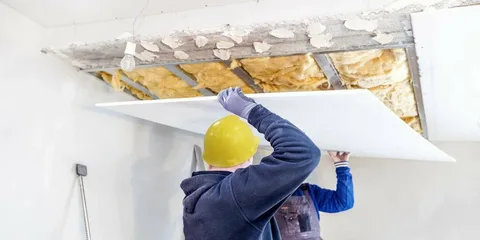
Get practical drywall ceiling repair guidance for cracks, water damage, and surface wear, with repair tips for St. Johns and Fernandina Beach homes.
Ceiling damage can start with a small crack, stain, or area of peeling material and gradually become a larger home repair issue. Moisture, plumbing leaks, settling, impact, and normal aging can all affect drywall ceilings. R souza Pavers helps homeowners understand the practical steps involved in identifying and addressing ceiling problems. Homeowners searching for drywall ceiling repair often want to know whether they need a simple patch, broader restoration, or a closer inspection of the underlying problem.
A ceiling repair should address more than the visible mark. If moisture caused the damage, the source needs attention before the drywall receives a new finish.
For homeowners in St. Johns, FL and Fernandina Beach, FL, understanding common ceiling problems, repair methods, preparation steps, and maintenance practices can make it easier to plan the right type of work.
What Causes Drywall Ceiling Damage?
Drywall ceilings can develop problems for several reasons. Some issues appear slowly, while others happen after a single event such as a leak or impact.
Common causes include:
- Plumbing leaks
- Roof leaks
- Air-conditioning condensation
- High indoor humidity
- Settling and movement
- Accidental impact
- Aging drywall
- Poor previous repairs
The cause matters because repairing the surface without addressing the source can lead to recurring damage.
Understanding Drywall Ceiling Repair
How Drywall Ceiling Repair Addresses Common Ceiling Problems
Drywall ceiling repair in St. Johns, FL involves assessing the damaged area, preparing the surface, replacing or patching affected drywall, and restoring the finish.
The repair method depends on the size and condition of the damage.
A typical process includes:
Inspecting the Damage
The first step involves examining the ceiling to determine what caused the problem and how far the damage extends.
An inspection may look for:
- Cracks
- Sagging
- Water stains
- Soft drywall
- Peeling paint
- Joint separation
- Visible holes
A small surface mark may require a simple repair, while widespread damage may call for drywall replacement.
Preparing the Area
Before repair work begins, loose or damaged material should be removed. The surrounding area also needs protection from dust and debris.
Preparation may include:
- Removing loose drywall
- Cutting damaged sections
- Cleaning the repair area
- Protecting floors and furniture
- Checking surrounding surfaces
Good preparation creates a cleaner working surface.
Repairing or Replacing Drywall
Minor damage may require patching and joint compound. Larger damaged sections may need new drywall.
The repair should create a stable surface that blends with the surrounding ceiling.
Finishing the Surface
After the repair material dries, the area can be sanded and prepared for finishing. Paint or texture may then need to match the existing ceiling.
Matching the finish can require attention to texture, sheen, and surrounding surface condition.
When Does a Ceiling Need More Than a Patch?
Not every ceiling problem requires the same repair approach.
A small nail hole or minor crack may need limited patching. A ceiling with extensive water damage, sagging, or deteriorated drywall may require more work.
Look for signs such as:
- Repeated water stains
- Expanding cracks
- Sagging drywall
- Soft or weakened areas
- Multiple damaged sections
- Peeling finishes
These signs can indicate that the visible damage does not represent the entire problem.
Ceiling Repair Service and Water Damage
A ceiling repair service should consider moisture when stains or discoloration appear.
Water can come from several sources, including plumbing systems, roofing components, HVAC equipment, or exterior openings. Simply covering a stain does not solve the underlying issue.
Homeowners should identify the source before completing cosmetic repairs.
If the ceiling feels soft, shows significant sagging, or has extensive water damage, homeowners should avoid disturbing the area unnecessarily until the cause and condition receive proper attention.
Ceiling Wall Restoration Considerations
Although ceilings and walls use similar drywall materials, restoration can involve different challenges. Ceiling wall restoration in Fernandina Beach, FL may require careful attention to transitions, corners, seams, texture, and paint matching.
A restoration project may involve:
- Repairing damaged drywall
- Rebuilding affected corners
- Smoothing uneven surfaces
- Matching existing textures
- Repainting connected areas
A consistent finish helps the repaired section blend into the surrounding room.
Common Ceiling Repair Mistakes
Repairing the Surface Before Fixing a Leak
Covering a water stain without addressing the moisture source can lead to repeated damage.
Using Too Much Joint Compound
Excess material can create a raised repair area that becomes visible after painting.
Skipping Surface Preparation
Dust, loose material, and damaged edges can affect how well the repair holds.
Ignoring Small Cracks
A crack that continues growing may indicate movement or another underlying issue.
Painting Without Matching the Existing Finish
Different paint sheen or texture can make a repaired section stand out.
Best Practices for Ceiling Maintenance
Homeowners can reduce avoidable ceiling problems by following a few practical habits:
- Check ceilings for new stains
- Address plumbing leaks quickly
- Monitor areas below bathrooms and HVAC equipment
- Keep indoor humidity at a reasonable level
- Inspect older ceilings periodically
- Repair small drywall damage before it spreads
- Watch for recurring cracks or discoloration
Regular observation can help homeowners identify changes before damage becomes more extensive.
Actionable Tips Before Starting a Ceiling Repair
Before arranging repair work, homeowners should:
- Photograph the damaged area.
- Note when the problem first appeared.
- Check nearby plumbing or HVAC equipment.
- Look for signs of active moisture.
- Avoid covering stains before identifying the cause.
- Move furniture away from the work area.
- Consider whether the existing ceiling has a texture that needs matching.
Providing clear information about the damage can help determine the appropriate repair approach.
Factors That Affect Ceiling Repair
The scope of a ceiling repair can depend on:
- Size of the damaged area
- Cause of the damage
- Moisture exposure
- Drywall condition
- Ceiling texture
- Paint finish
- Accessibility
- Extent of surrounding damage
Each ceiling presents different conditions, so the repair method should reflect what the inspection reveals.
Conclusion
A damaged ceiling can involve more than a visible crack or stain. Drywall ceiling repair should address the condition of the drywall, the cause of the damage, surface preparation, and the final finish. Identifying problems early can help homeowners avoid repeated repairs.
For homeowners in St. Johns, FL and Fernandina Beach, FL, understanding ceiling repair service and ceiling wall restoration can make it easier to recognize problems and plan appropriate repairs. Rsouza Pavers helps homeowners approach ceiling repair with practical attention to the source of damage, surface condition, repair method, and finished appearance.
FAQ
What is included in drywall ceiling repair?
Drywall ceiling repair may include damage assessment, removal of damaged material, patching or replacement, joint treatment, sanding, texturing, and finishing.
What causes drywall ceilings to crack?
Ceiling cracks can result from settling, movement, aging materials, impact, moisture, or problems with previous repairs. The cause should be evaluated before completing the repair.
When should I call a ceiling repair service?
A ceiling repair service may be appropriate when you notice significant cracks, water stains, sagging, soft drywall, holes, or damage that continues to worsen.
Can water-damaged drywall be repaired?
Minor damage may require a localized repair, while extensive or weakened drywall may require replacement. The moisture source should receive attention before restoring the surface.
What is ceiling wall restoration?
Ceiling wall restoration can involve repairing damaged drywall surfaces, seams, corners, textures, and finishes so the restored areas blend with the surrounding space.