
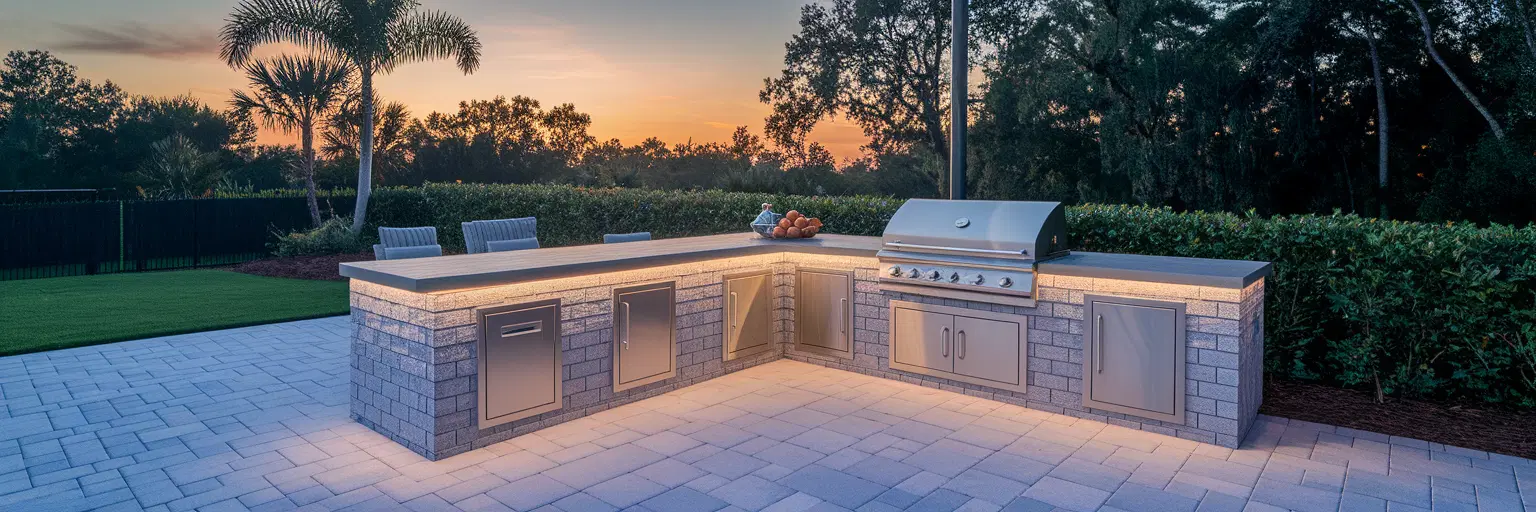
In Jacksonville, outdoor living is not a seasonal luxury; it is a year-round way of life. An outdoor kitchen has become the centerpiece of this lifestyle, transforming backyards into primary entertainment hubs. These spaces are no longer just for the occasional weekend barbecue. They are now full-fledged extensions of the home, equipped for everything from weeknight dinners to holiday gatherings.
The practical benefits for Florida residents are immediate. We all know the feeling of a kitchen heating up the entire house during a humid summer afternoon. An outdoor kitchen keeps that cooking heat and any strong smells outside, making your indoor living space more comfortable. It also reduces foot traffic inside, especially when hosting guests who naturally gather where the food is.
Beyond comfort, a professionally built outdoor kitchen is a strategic investment. In the competitive Duval and Saint Johns County real estate markets, features that enhance outdoor living significantly boost property value. A well-designed space becomes the heart of the home, and a modern outdoor kitchen is a prime example of this trend, offering a substantial return through both enjoyment and equity.
Choosing the Right Pavers for Florida’s Climate
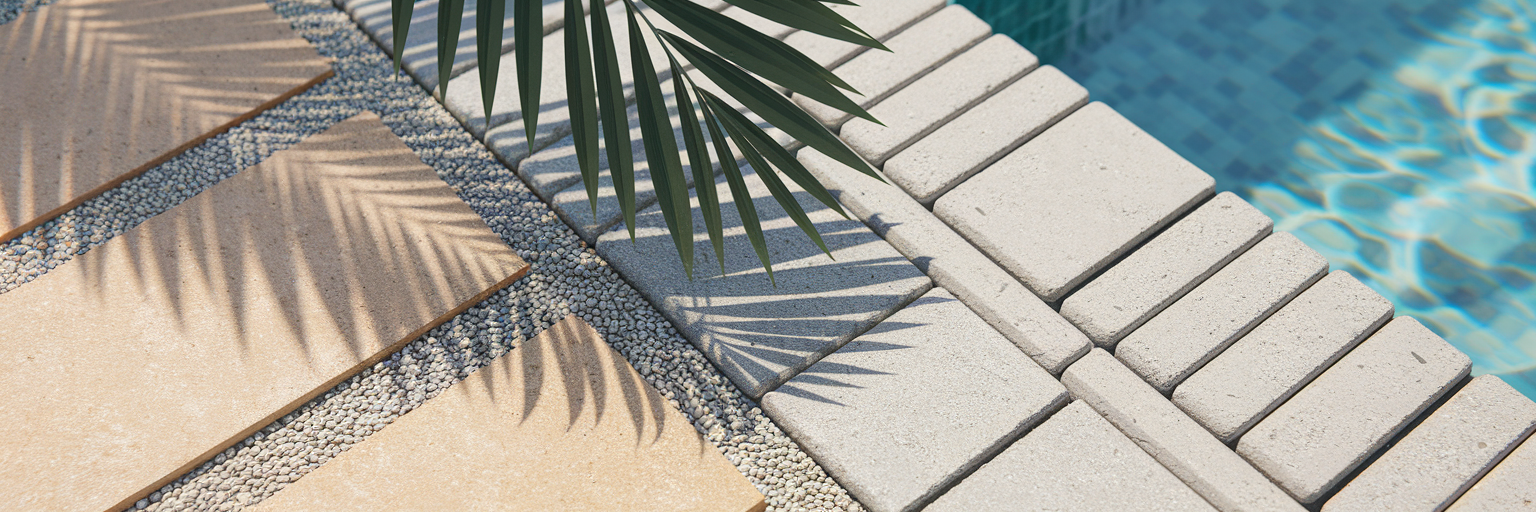
Selecting the right materials is the first step in ensuring your outdoor kitchen withstands the specific challenges of our region. The intense sun, high humidity, and sudden downpours demand more than just good looks; they require performance. The foundation of any great outdoor kitchen design in Jacksonville is the paver surface it is built on.
Heat, Humidity, and Rain: Selecting for Durability
Jacksonville’s climate tests building materials relentlessly. Constant UV exposure can fade low-quality surfaces, while persistent moisture creates a perfect environment for mold and mildew. Heavy rains also mean that proper drainage and slip resistance are not optional, they are essential for safety. Choosing durable pavers for Florida climate means selecting materials engineered to resist these exact pressures, ensuring your investment remains beautiful and safe for years.
Natural Stone vs. Concrete Pavers
Your two primary options are natural stone and high-quality concrete pavers. Natural stone like travertine or granite offers unmatched durability and a timeless look. It naturally resists heat and has a textured surface that provides excellent slip resistance. Concrete pavers, on the other hand, offer incredible versatility in style and color. Modern manufacturing from brands like Tremron and Belgard produces concrete pavers that are dense, strong, and designed for longevity. With so many aesthetic possibilities, you can find the perfect match for your home’s style by browsing our comprehensive online catalog.
The Importance of Color and Albedo
Have you ever walked barefoot on dark asphalt in July? The same principle applies to your patio. The scientific term is albedo, which measures how much solar energy a surface reflects. Lighter-colored pavers have a higher albedo, meaning they reflect more sunlight and stay significantly cooler to the touch. This is a critical comfort factor for a space you will use year-round, making it one of the most important considerations when choosing the best pavers for outdoor kitchens in Florida.
| Feature | Natural Stone Pavers (e.g., Granite, Travertine) | High-Quality Concrete Pavers |
|---|---|---|
| Heat Resistance | Excellent; stays cooler than many materials | Good; light colors reflect more heat |
| Durability & Fading | Extremely durable with natural, long-lasting color | Very durable, but requires sealing to prevent fading and stains |
| Slip Resistance | Naturally textured and slip-resistant, even when wet | Available in various textures; proper installation ensures safety |
| Cost | Higher initial investment | More budget-friendly and versatile |
| Maintenance | Low; requires occasional cleaning and sealing | Requires periodic cleaning and resealing to protect from weather |
This table summarizes the key trade-offs between natural stone and concrete pavers based on performance in a subtropical climate like Jacksonville’s. The choice depends on budget, aesthetic goals, and long-term maintenance preferences.
Essential Layout and Design Considerations
With your materials selected, the focus shifts to functional design. A successful outdoor kitchen is not just about having a grill; it is about creating an efficient and enjoyable workspace that flows seamlessly with your outdoor living area. Strategic placement is the first rule. You want the kitchen close enough to the house for easy access to utilities and your indoor pantry, but positioned so that grill smoke does not drift back into open windows or doors.
The most effective layouts are organized into “work zones,” just like an indoor kitchen. This approach minimizes movement and keeps everything you need within reach. Consider these three zones:
- The Hot Zone: This is for all your cooking appliances, including the grill, side burners, or even a pizza oven. It needs proper ventilation and should be made of non-combustible materials.
- The Dry Zone: This includes your prep counters and storage areas. You need ample counter space for chopping, seasoning, and plating. Integrated cabinets keep tools and supplies protected from the elements.
- The Wet Zone: This area houses the sink and any beverage coolers or ice makers. A sink is invaluable for quick hand washing and cleanup, preventing constant trips back inside.
Great patio paver ideas for kitchens also involve integrating the cooking area with the rest of your outdoor space. Think about the path from the kitchen to the dining table or lounge seating. The goal is to create a cohesive environment, not a separate, isolated station. To see how these design principles come together in practice, it is helpful to view a portfolio of our completed projects. Finally, a professional site analysis is critical. An expert can assess grading, drainage, and utility lines to ensure your beautiful design is built on a practical and lasting foundation.
The Foundation of a Lasting Outdoor Kitchen
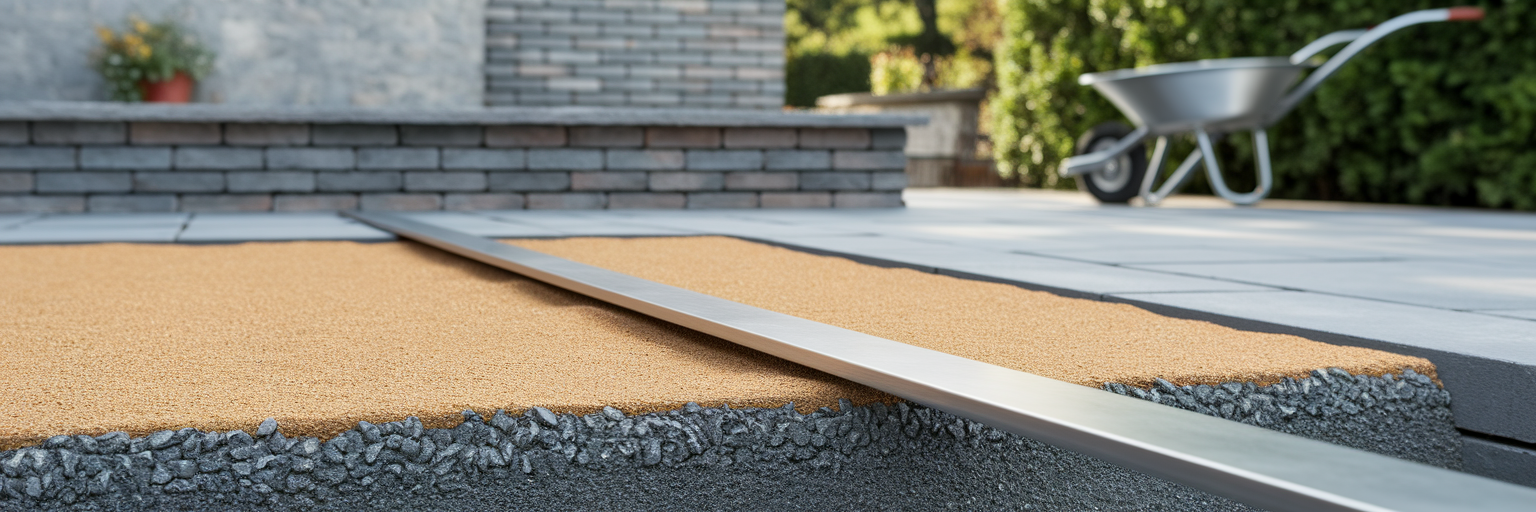
The most beautiful pavers and high-end appliances will fail if the foundation beneath them is not built correctly. We stand firm in our belief that a professional base is non-negotiable for a heavy structure like an outdoor kitchen. The weight of the countertops, grill, and cabinetry requires a foundation that can distribute the load evenly and prevent shifting or sinking over time. Cutting corners here is the most common cause of cracked grout, uneven surfaces, and drainage problems down the road.
Experienced Jacksonville hardscape contractors follow a meticulous process to build a stable base. It is a layered system where each component serves a specific purpose:
- Excavation: The process begins by digging 6 to 8 inches deep to remove topsoil and create a stable sub-grade. This depth is essential for accommodating the base layers.
- Geotextile Fabric: A durable fabric is laid down to separate the native soil from the base material. This prevents weeds from growing through the joints and stops the base from sinking into the soil.
- Crushed Stone Base: A 4-inch layer of crushed stone aggregate is installed and compacted. This is the load-bearing layer that provides the structural support for the entire installation.
- Sand Setting Bed: A final 1-inch layer of coarse sand is spread and screeded to create a perfectly level bed. Each paver is then set into this sand, allowing for minor adjustments.
This methodical approach ensures that your outdoor kitchen can handle Florida’s torrential rains and support heavy loads without compromising its integrity. This level of precision is why working with a team that has over 15 years of experience is critical to the longevity of your investment.
Integrating Modern Features and Finishing Touches
The final stage of a summer kitchen paver installation is where you transform a functional cooking space into an exceptional outdoor retreat. This is about integrating modern amenities and applying the finishing touches that protect your investment. Appliances like grills, refrigerators, and storage drawers are no longer standalone units but are built directly into the paver and block structure. Using modular systems ensures a clean, custom fit that looks intentional and high-end.
Consider advanced paver options that add both function and style. Permeable pavers, for instance, are an excellent choice for managing Jacksonville’s heavy rainfall. They allow water to drain through the surface into the ground below, reducing runoff and preventing puddles. Integrated lighting also makes a significant impact. Low-profile LED lights can be set into paver joints or under countertops, providing beautiful ambiance for evening entertaining while also improving safety.
Finally, two steps are crucial for long-term durability. First, polymeric sand is swept into the paver joints. When activated with water, it hardens to lock the pavers together, preventing weed growth and insect intrusion. The final, critical step is applying a professional-grade paver sealer to guard your investment against food stains, grease, and harsh weather. This protective barrier makes cleanup easier and keeps your outdoor kitchen looking pristine for every cookout.