
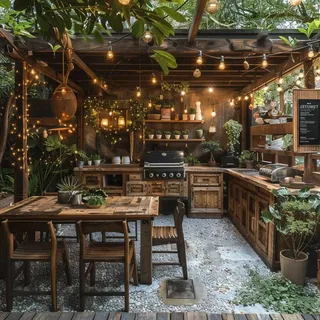
Rsouza Pavers helps homeowners explore outdoor improvements that make their properties more functional and inviting. A well-planned outdoor cooking area can create a comfortable place for family meals, weekend gatherings, and relaxing evenings.
A beautiful summer kitchen gives you more than a place to prepare food. It can connect your patio, garden, and dining area while making better use of your outdoor space. However, a successful project requires thoughtful planning, suitable materials, and proper drainage.
In Jacksonville, FL, warm weather encourages outdoor living for much of the year. Homeowners in Fernandina Beach can also enjoy outdoor cooking, although coastal conditions require careful material selection and maintenance. Therefore, it helps to consider moisture, sun exposure, and the condition of the existing yard before construction begins.
Pavers offer a practical surface for patios and outdoor cooking areas. They come in different colors, shapes, textures, and patterns, allowing homeowners to create designs that complement their homes. Furthermore, a well-designed layout can provide dedicated spaces for cooking, dining, and entertaining.
Before starting construction, decide how you plan to use the area and establish a realistic budget. These early decisions help guide material choices, appliance placement, and the overall design.
Planning a Functional Summer Kitchen
A successful outdoor kitchen begins with a layout that supports cooking, serving, and entertaining. Consider how people will move between the grill, preparation counter, dining table, and nearby entrance. Good spacing helps reduce congestion when several people use the area.
Choose a Layout That Fits Your Yard
The right layout depends on the available space and your cooking habits. A compact arrangement may suit a smaller patio, while a larger yard can accommodate separate cooking and dining zones. However, every design should leave enough room for safe movement.
An L-shaped counter can separate preparation from cooking. A straight layout may work well against an exterior wall, while an island can create a central gathering point. Additionally, place the kitchen where smoke, heat, and foot traffic will not interfere with doors or seating areas.
Consider these five planning steps:
- Measure the space: Record the patio dimensions and identify obstacles.
- Set cooking priorities: Decide which appliances and work surfaces you need.
- Plan circulation: Leave clear walking routes around counters and seating.
- Consider utilities: Confirm access to electricity, water, gas, or other required services.
- Set a budget: Include installation, materials, appliances, and future maintenance.
A practical layout should support everyday use rather than focus only on appearance. Consequently, planning the main features first can help prevent expensive design changes later.
Selecting Pavers for an Outdoor Kitchen
Pavers influence the appearance, comfort, and usability of an outdoor cooking area. The right material should complement the home and suit the property’s conditions. In Jacksonville and Fernandina Beach, homeowners should also consider rain, humidity, sunlight, and drainage.
Compare Materials, Colors, and Textures
A carefully designed outdoor kitchen with pavers can create a defined space for cooking and dining. Concrete pavers offer a variety of shapes and finishes, while natural stone provides distinctive patterns and textures. The best option depends on your budget, preferred appearance, and maintenance expectations.
Before choosing a surface, ask about slip resistance, heat exposure, stain removal, and suitability for outdoor use. For example, grease from a grill can mark some materials more easily than others. Therefore, selecting a practical finish can make routine cleaning simpler.
Use these five guidelines when comparing pavers:
- Check surface texture: Choose a suitable finish for wet outdoor conditions.
- Review color options: Coordinate the pavers with the house and landscaping.
- Ask about durability: Match the product to expected foot traffic and weather exposure.
- Consider cleaning needs: Discuss how to remove food spills and grease.
- Compare total costs: Include preparation, installation, edging, and joint materials.
Moreover, a professional installer can explain how the chosen pavers will perform in the intended location. Material selection should consider both appearance and function.
Building a Durable Paver Foundation
The surface you see is only one part of a paver installation. Proper groundwork supports stability, drainage, and long-term performance. Without suitable preparation, pavers may shift, settle unevenly, or collect water.
Why Site Preparation Matters
A quality summer kitchen paver install service in Fernandina Beach, FL starts with an assessment of the existing ground. The installer may need to remove unsuitable soil, establish the correct slope, and prepare a compacted base. The required depth and materials depend on soil conditions, expected loads, and the project design.
Drainage deserves special attention in Florida. Heavy rain can expose problems when water flows toward the house or remains beneath the patio. Therefore, the design should direct runoff appropriately and follow applicable site and building requirements.
Discuss these five installation details with your contractor:
- Ground assessment: Identify soft soil, existing settlement, or drainage concerns.
- Base preparation: Confirm the planned base materials and compaction process.
- Surface grading: Ensure the finished area directs water away from structures.
- Edge restraints: Ask how the installation will prevent pavers from spreading.
- Joint treatment: Confirm the appropriate joint material for the selected pavers.
Additionally, consider the placement of grill stations, counters, and heavy appliances. These features may require specific support or coordination with other construction work.
Good preparation helps the finished patio remain functional and attractive. It also reduces the chance of repairs caused by avoidable installation problems.
Adding Appliances and Practical Features
Appliances determine how you will use your outdoor kitchen. Some homeowners need only a grill and preparation counter, while others want a sink, refrigerator, storage cabinets, or a pizza oven. Your choices should reflect your cooking habits and available space.
Balance Convenience, Safety, and Budget
A well-planned professional summer kitchen service should allow you to prepare food comfortably without overcrowding the patio. Place frequently used tools and ingredients near the main cooking area. Meanwhile, keep seating away from hot surfaces and maintain clear routes around appliances.
Outdoor appliances must suit their intended environment. Choose equipment designed for outdoor use and follow the manufacturer’s installation and clearance instructions. Gas connections and electrical work should be handled by qualified professionals when required.
Before selecting features, review these five points:
- Choose essential appliances: Start with the equipment you expect to use most.
- Plan counter space: Leave room for food preparation and serving.
- Add suitable storage: Protect utensils and supplies from weather exposure.
- Review utility needs: Confirm connections, drainage, and required approvals.
- Allow for ventilation: Follow appliance specifications and local safety requirements.
Furthermore, consider shade and lighting to improve comfort during different times of day. A pergola or other suitable cover may help, but it must meet applicable structural and fire-safety requirements.
Prioritize essential features first. You can add optional upgrades later if your budget and layout allow.
Maintaining Your Outdoor Kitchen and Pavers
Regular care helps keep an outdoor cooking area clean, safe, and attractive. Weather, food spills, grease, and everyday foot traffic can affect the patio over time. A simple maintenance routine helps identify small issues before they become more difficult to address.
Keep the Patio Clean and Inspect It Regularly
A durable outdoor kitchen with pavers still needs routine attention. Sweep away leaves and debris, clean food spills promptly, and use cleaning products suited to the paver material. Avoid harsh chemicals unless the manufacturer confirms they are safe.
Check the surface after heavy rain. Standing water, loose pavers, or washed-out joints may indicate a drainage or base issue. Likewise, inspect the area around the grill for grease buildup and follow the appliance manufacturer’s cleaning instructions.
Follow these five maintenance practices:
- Sweep frequently: Remove debris before it collects in joints.
- Clean spills promptly: Use suitable products to reduce staining.
- Inspect after storms: Look for movement, erosion, or drainage problems.
- Check appliance areas: Keep grease and food residue under control.
- Arrange repairs early: Address loose or uneven pavers before the problem spreads.
For projects involving summer kitchen paver install work, ask the contractor about recommended cleaning methods, joint maintenance, and any product-specific care instructions.
Homeowners can also learn about landscape architecture to understand how outdoor spaces combine practical use and visual design. However, material-specific guidance from your installer remains important for maintaining the finished surface.
Conclusion
A well-designed outdoor cooking area can make your backyard more useful for family meals, gatherings, and quiet evenings. The best results come from balancing layout, material selection, safe appliance placement, and proper site preparation.
For homeowners in Jacksonville, FL, and Fernandina Beach, FL, local weather should influence decisions about pavers, drainage, and outdoor equipment. Consider how rain, humidity, sunlight, and routine cleaning may affect the finished space. Additionally, confirm utility requirements and any permits before construction begins.
If you are considering a professional outdoor kitchen with pavers in Jacksonville, FL, compare contractors based on their proposed preparation methods, material recommendations, written estimates, and installation details. Ask what the project includes and how the team will address drainage, edging, and heavy appliance areas.
Rsouza Pavers is an option to explore when planning a paver-based outdoor improvement. Before hiring any contractor, confirm the specific services offered, project scope, schedule, and warranty terms in writing.
Start by listing the features you need most and setting a realistic budget. Then choose materials that suit your home and maintenance preferences. With a practical design and careful installation, your outdoor kitchen can become a comfortable extension of your living space.
FAQs
other appliances. Its features depend on the available space and homeowner’s What is a summer kitchen?
A summer kitchen is an outdoor cooking area that may include a grill, counters, storage, and needs.
Are pavers suitable for an outdoor kitchen?
Yes, suitable pavers can provide a durable patio surface. Material choice, proper base preparation, drainage, and installation quality all affect performance.
How much does a summer kitchen cost in Jacksonville, FL?
Costs depend on the size, pavers, appliances, utility connections, site preparation, and added features. Request an itemized estimate based on your property.
Do I need a permit for an outdoor kitchen?
Requirements vary with the work involved. Structural covers, electrical installations, plumbing, and gas connections may require approvals, so check with the relevant local authorities.
How do I maintain summer kitchen pavers?
Sweep regularly, clean spills with suitable products, inspect drainage after heavy rain, and address loose or uneven pavers promptly.