
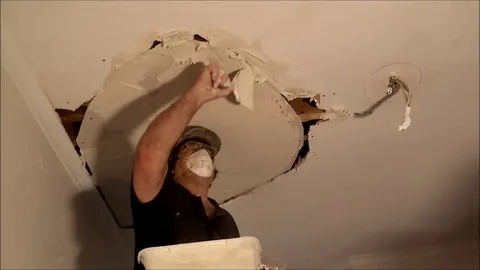
Learn about drywall ceiling repair in Fernandina Beach, FL, including ceiling wall restoration, ceiling wall remodeling, damage causes, and repair planning.
A damaged ceiling can affect more than the appearance of a room. Cracks, stains, sagging areas, peeling paint, and damaged drywall may point to moisture, age, building movement, or an earlier leak. R Souza Pavers helps property owners understand ceiling repair, restoration, and remodeling considerations. Homeowners researching drywall ceiling repair often want to know what causes ceiling damage, when a repair is enough, and when a larger restoration project makes more sense.
For homes in Fernandina Beach, FL and Jacksonville, FL, humidity, storms, plumbing leaks, and normal building movement can affect ceiling surfaces. Understanding the cause before repairing the visible damage can help prevent the same problem from returning.
Understanding Drywall Ceiling Repair
Drywall ceiling repair in Fernandina Beach, FL can develop different types of damage, and each condition requires a suitable repair approach. A small crack may need basic patching, while a water-damaged section may require drywall replacement. Sagging areas deserve closer attention because they can indicate prolonged moisture exposure or weakened material.
Water stains are another common concern. Repainting a stain without addressing the original moisture source may only hide the problem temporarily. Before cosmetic work begins, homeowners should determine whether the moisture came from plumbing, roofing, HVAC equipment, or another source.
Ceiling condition also matters when deciding between repair and remodeling. If the surface contains widespread damage, old patches, or outdated finishes, a broader project may create a more consistent result.
Planning Drywall Ceiling Repair for Different Damage
The repair method should match the size and cause of the damage. Minor holes and cracks can often receive patching, sanding, priming, and painting. Larger damaged sections may require removing compromised drywall and installing new material.
When moisture has affected drywall, the damaged area should receive careful evaluation. Water exposure can weaken drywall and create additional problems behind the finished surface. Repairing only what is visible may leave damaged material in place.
The final finish also matters. Texture, paint sheen, and ceiling patterns can make a repaired area stand out. Proper preparation helps the repaired section blend with the surrounding surface.
Common Causes of Ceiling Damage
Moisture is one of the most common reasons homeowners need ceiling repairs. Plumbing leaks from bathrooms, kitchens, or upper floors can leave stains and weaken drywall. Roof leaks can cause similar problems, particularly after periods of heavy rain.
HVAC systems can also contribute to ceiling damage when condensation develops around ducts, drain lines, or equipment. High indoor humidity can make moisture-related problems more persistent, especially in areas with limited ventilation.
Normal building movement may cause small cracks around joints or where different materials meet. Larger cracks, recurring cracks, or areas that appear to sag deserve closer evaluation before cosmetic repairs begin.
Ceiling Wall Restoration and Repair
Ceiling wall restoration in Jacksonville, FL involves more than making a damaged surface look new. The process should address visible damage while considering the reason it developed. This becomes especially important after water intrusion.
Restoration may involve removing damaged drywall, correcting the moisture source, drying affected areas, replacing materials, and restoring the final surface. The exact process depends on the extent of damage and the condition of surrounding materials.
Homeowners should also consider nearby walls. Water can travel beyond the original leak area, leaving stains or weakened sections that may not appear immediately.
Ceiling Wall Remodeling Options
Ceiling wall remodeling can turn a necessary repair into an opportunity to update a room. Homeowners may change ceiling textures, improve lighting layouts, repair outdated finishes, or create a cleaner transition between walls and ceilings.
The condition of the existing surface should guide the remodeling plan. Uneven areas, old repairs, and moisture damage should receive attention before new finishes are installed.
Lighting also deserves consideration. Recessed fixtures and other lighting changes can affect both appearance and functionality. Planning electrical work alongside ceiling improvements can help avoid disturbing a newly finished surface later.
Comparing Ceiling Repair and Remodeling
| Option | Best For | Main Consideration |
| Minor Repair | Small cracks, holes, or isolated damage | Requires matching the existing finish |
| Section Replacement | Localized water or impact damage | Damaged material must be removed |
| Full Restoration | Widespread damage or moisture issues | Requires broader preparation |
| Ceiling Remodeling | Design updates and improvements | May involve additional electrical work |
The appropriate option depends on ceiling condition, damage source, and the homeowner’s goals.
Common Ceiling Repair Mistakes
One common mistake is covering stains without fixing the moisture source. Paint may hide discoloration for a short time, but it cannot correct a plumbing, roofing, or HVAC problem. Another mistake is repairing drywall before the affected area has dried completely.
Homeowners can also create noticeable patch marks by skipping surface preparation. Uneven sanding, mismatched texture, or different paint sheen can make repairs stand out. Rushing the finishing stage may create additional work later.
Best Practices for Ceiling Maintenance
Regular ceiling inspections can help homeowners identify problems early. Look for new stains, cracks, peeling finishes, soft areas, or changes around vents and light fixtures. After severe storms, checking upper-level ceilings can also help identify possible water intrusion.
Homeowners should address plumbing and HVAC leaks promptly and manage indoor humidity. If the same ceiling area develops repeated damage, identifying the underlying cause is more useful than repeatedly repairing the visible surface.
Actionable Tips Before Ceiling Work
Before starting repairs, note when the damage appeared and whether it changes after rainfall or plumbing use. Photographing stains and cracks can also help track changes over time.
Avoid disturbing large sagging areas until the cause has been evaluated. If water caused the damage, make sure the source has been corrected before replacing affected drywall.
For larger restoration or remodeling projects, decide on the desired texture, lighting, paint finish, and overall appearance before work begins. Clear planning helps create a more consistent finished space.
Conclusion
A ceiling repair should address more than what is visible from the floor. Drywall ceiling repair works best when homeowners understand the source of the damage, the condition of the existing material, and the finish required for a consistent result.
For homeowners in Fernandina Beach, FL and Jacksonville, FL, understanding ceiling wall restoration and ceiling wall remodeling can support better repair and improvement decisions. R Souza Pavers helps property owners approach ceiling projects with attention to surface condition, repair requirements, and finished details.
FAQ
What causes drywall ceiling damage?
Common causes include plumbing leaks, roof leaks, HVAC condensation, humidity, impact, and normal building movement.
Can a stained ceiling be repaired?
A stained ceiling may be repairable, but the moisture source should be corrected before applying new finishes.
When should damaged drywall be replaced?
Replacement may make sense when drywall has absorbed significant moisture, lost strength, or developed extensive damage.
What does ceiling wall restoration involve?
It may include removing damaged materials, correcting moisture problems, replacing drywall, preparing surfaces, and restoring the final finish.
Can ceiling repair become part of a remodeling project?
Yes. Homeowners can combine repairs with ceiling wall remodeling when updating finishes, lighting, textures, or the overall appearance of a room.